
Having a diverse set of marginal pond plants in and around your water spaces can really help to bring life and vibrancy to your area. Not only are they often pleasant to look at, but they also offer a number of key, practical benefits to help maintain your water space’s overall health. For instance, they filter out some nutrients from run-off water before it enters the dam.
In this article, we’re going to take a close look at some of the best in-water and edge plants that are available for your dams and ponds. We’ll also provide a few suggestions on options we think you should avoid and why, before highlighting some essential tools and tips you’ll need in order to keep your water space running efficiently.
Why the Right Plants Matter In and Around Water
Plants growing in and around your pond offer much more than aesthetic value. Many of them will help to maintain ecological balance, support aquatic life, and filter runoff. Choosing the right mix of native aquatic and marginal plants can also improve water quality over time. And with the correct setup, they’ll soon start performing as a self-sustaining ecosystem without the need for excess maintenance.
It’s also essential that you don’t choose the wrong plants. They naturally compete for the available resources (direct sunlight, nutrients etc.), with some more dominant and aggressive than others. And if you allow these plants to thrive, they’ll eventually have a negative, destructive impact on the ecosystem as a whole.
In-Water Plants
Let’s start with taking a look at those plants that live in the water. Many of these plants grow through indirect sunlight and bring a range of positive benefits to an ecosystem. Conversely however, there are certain species that can cause damage if allowed to go unchecked.
Best Native Plants to Grow in Your Water
These plants are ideal for deeper zones and submerged or floating areas. They support oxygenation, water clarity, and aquatic biodiversity.
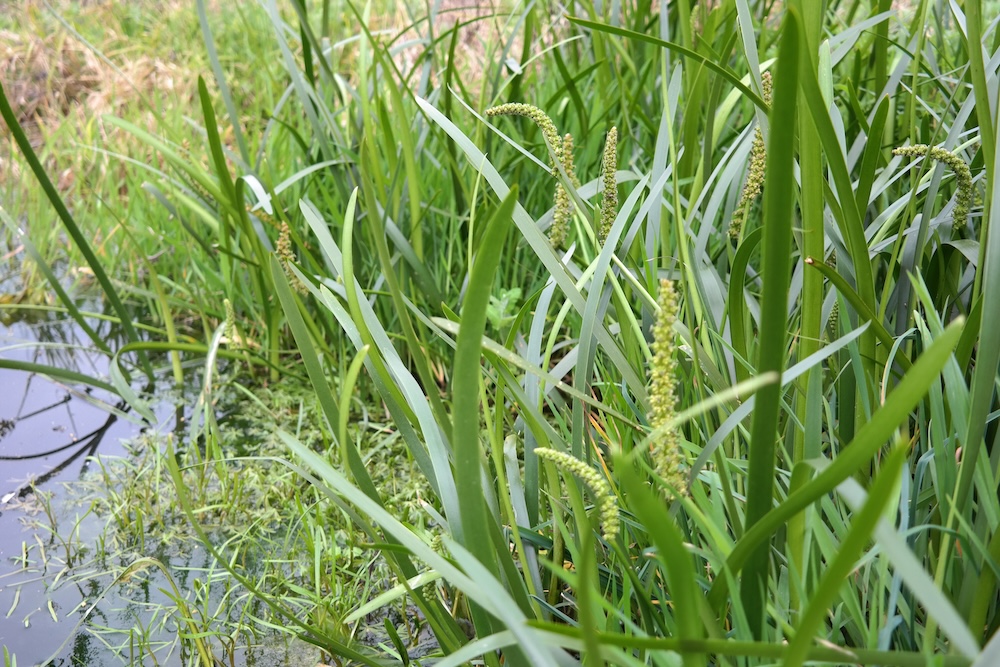
Water Ribbons
(Pictured above) As the name suggests, this plant has long, ribbon-like leaves that can grow to a height of up to 2m. They are a good choice for shallow waters and can grow partially or fully submerged in fresh water. The plant has thick, rhizome roots, meaning that they can spread rapidly if left alone. It’s best to try and keep these in small, isolated systems.
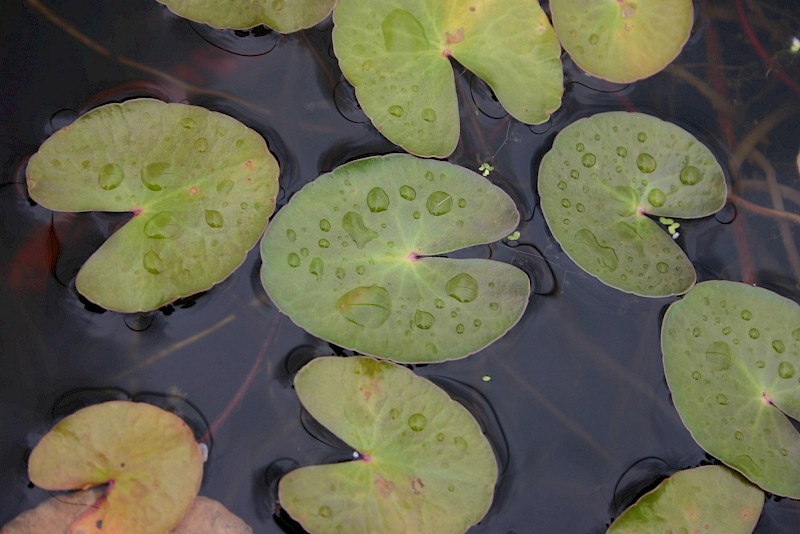
Marshwort
(Pictured above) Marshwort consists of lily-like leaves that float just below the water’s surface. Their flowers are bright yellow and will appear around November through to the end of April. This is a plant that does need to be monitored carefully, as it can rapidly cover the surface of waterways which can impede on draining and block light for other aquatic plants.
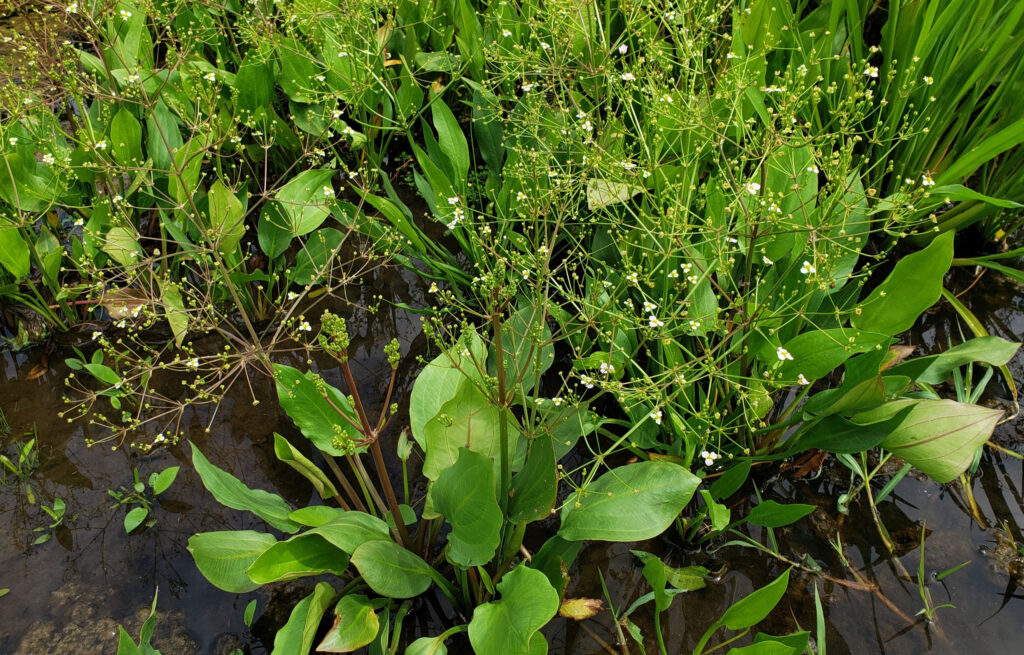
Water Plantain
(Pictured above) This plant is best suited for shallow water margins where there is a good source of constant, moist soil. It is identified by its pale, lilac flowers and will bloom between June and September. And while it’s great for providing shelter and resting for insects, it will die off quickly if the environment dries up.
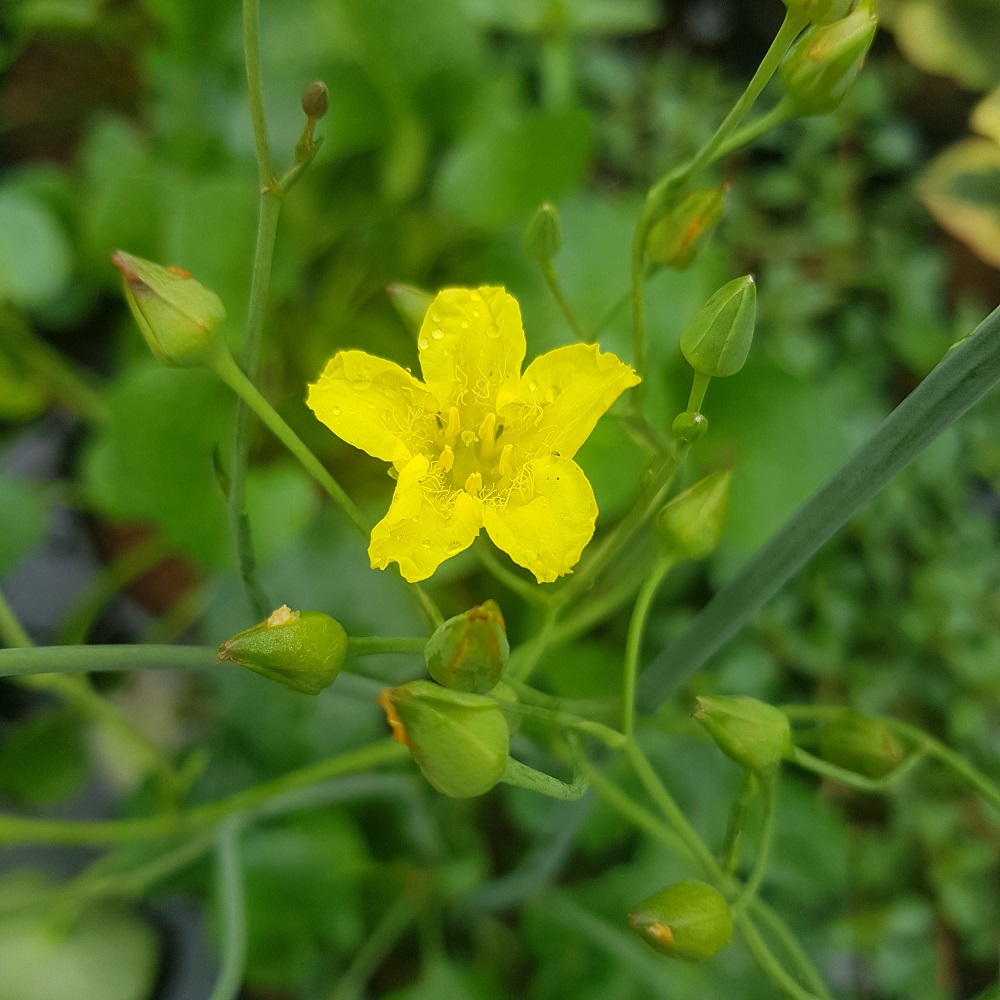
Running Marsh Flower
(Pictured above) Running marsh flowers are a great addition to any water gardens as they compete with algae for resources, keeping it under control. They have kidney-shaped leaves and bright yellow flowers that appear from October through to March. They do grow more slowly than other plants and prefer calm waters, and are generally a good low maintenance option.
In-Water Plants to Avoid
Now let’s briefly cover a few plants that we believe are not suitable as marginal pond plants.
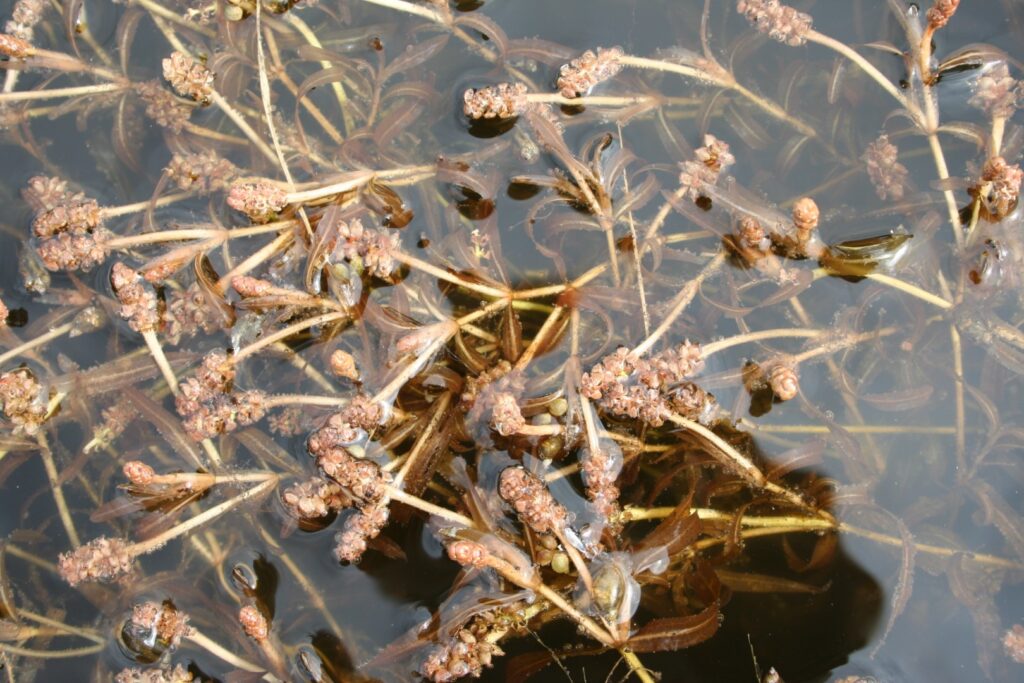
Blunt Pondweed
(Pictured above) This plant is extremely invasive when submerged in water. It quickly clogs water systems and reduces oxygen levels, affecting everything around it. And it’s also tricky to remove once established.
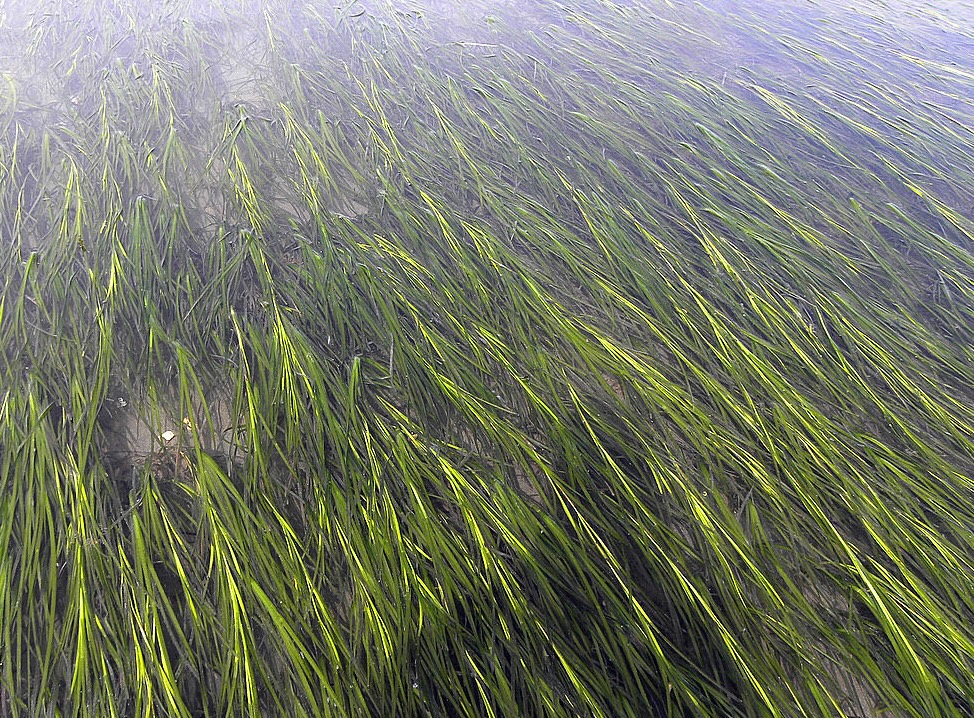
Eel Grass
(Pictured above) Eel grass forms on the base of a water space and grows rapidly. If left unchecked, it can quickly dominate small or shallow dams and reduce circulation.
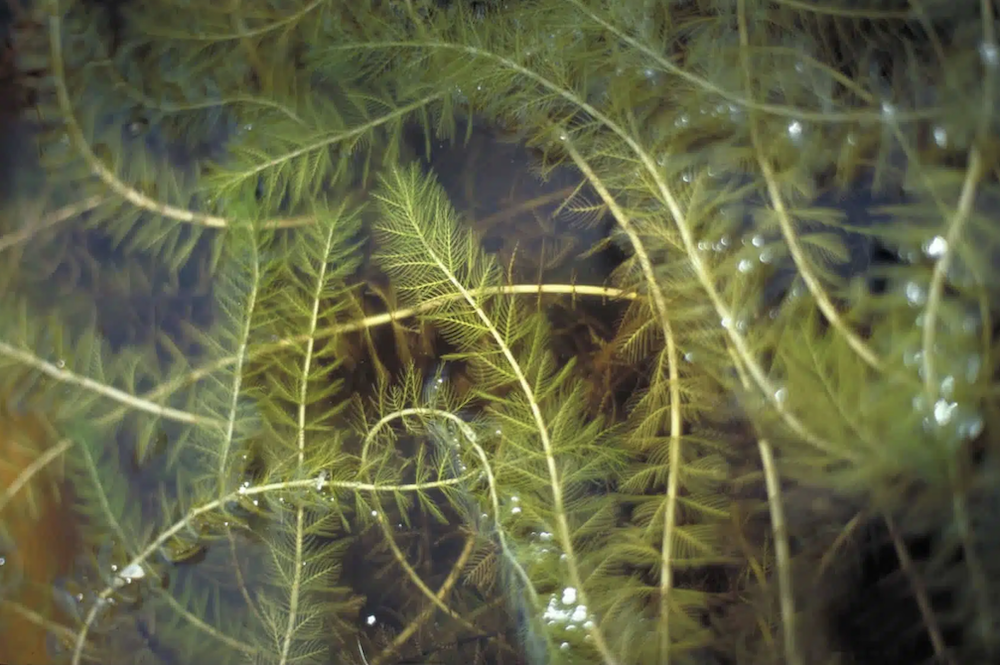
Water-milfoil
(Pictured above) While it can provide shelter for wildlife, water-milfoil is difficult to control once it gets going. It can quickly displace and dominate native species with huge floating mats.
Water’s Edge Plants
In much the same way as in-water grown plants, water’s edge plants can be both a blessing and a curse for waterways. We’ll take a look at some of those plants that we believe to be the most effective at enhancing your dams and ponds, as well as some to avoid wherever possible.
Best Water’s Edge Plants to Grow
These are critical buffer zone plants that help to filter nutrients, prevent algae blooms, and offer safe habitats for frogs, insects, and birds. These species thrive in intermittent wet and dry conditions, making them ideal for fluctuating water levels.
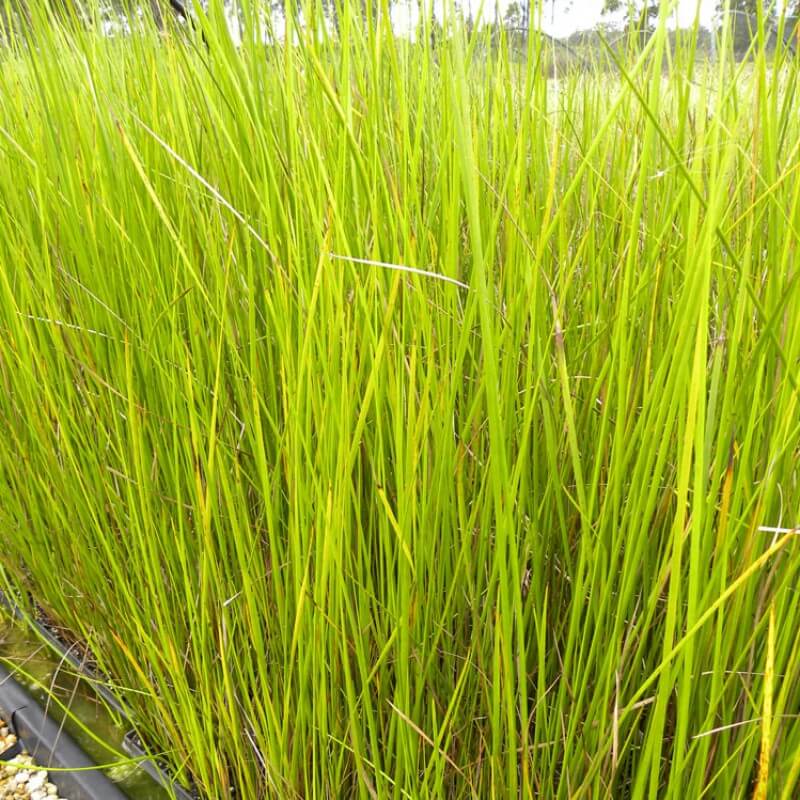
Soft Twig-rush
(Pictured above) This tough and adaptable plant is an ideal choice for damp banks and can grow up to 1m tall. They can spread densely if left unchecked, so while they act as an excellent barrier, they may require occasional pruning.
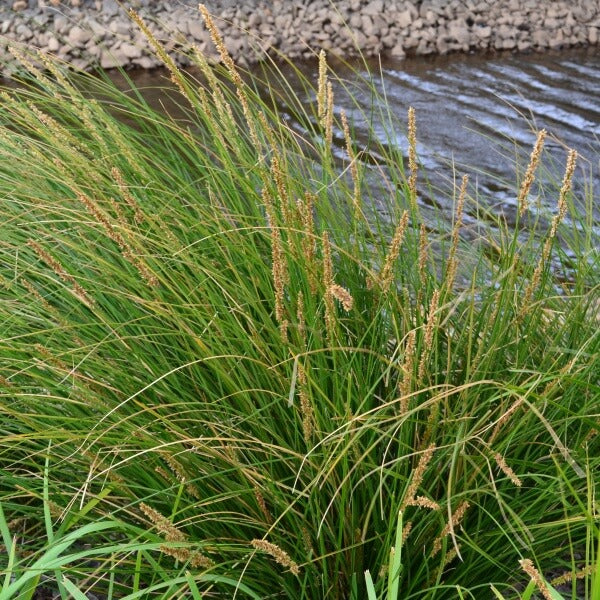
Tall Sedge
(Pictured above) Tall sedge are ideally suited for erosion control as they form strong clumps wherever they’re planted. Again however, they do grow vigorously if allowed, so you’ll likely need to step in occasionally.
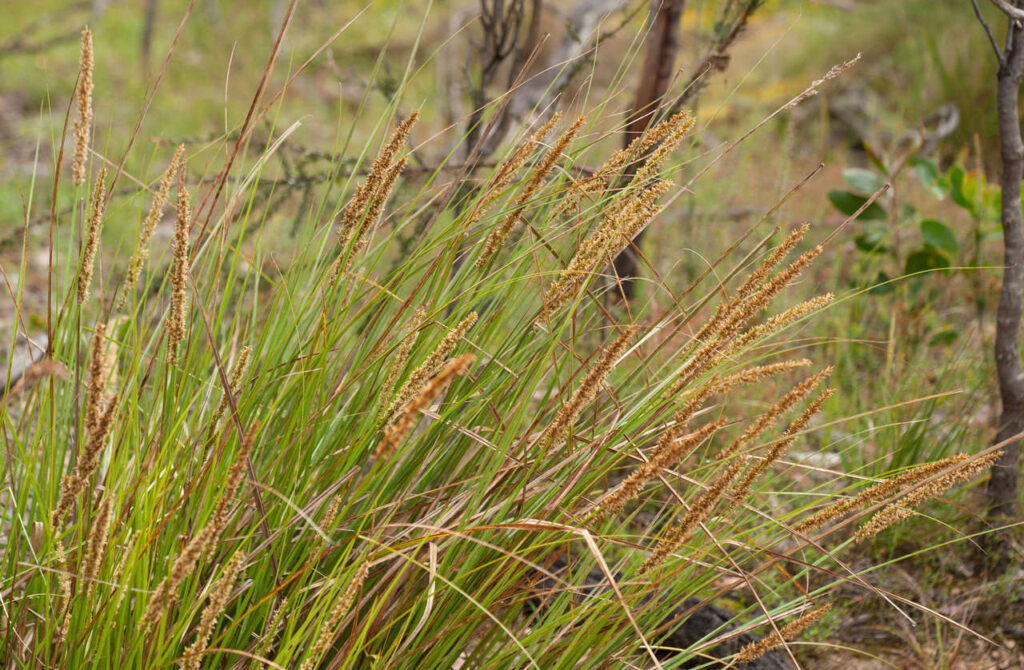
Basket Sedge
(Pictured above) Basket sedge is very resilient, making it a great choice for handling wet and dry cycles. It can become untidy and a little unwieldy, so you’ll have to trim a few stems now and again.
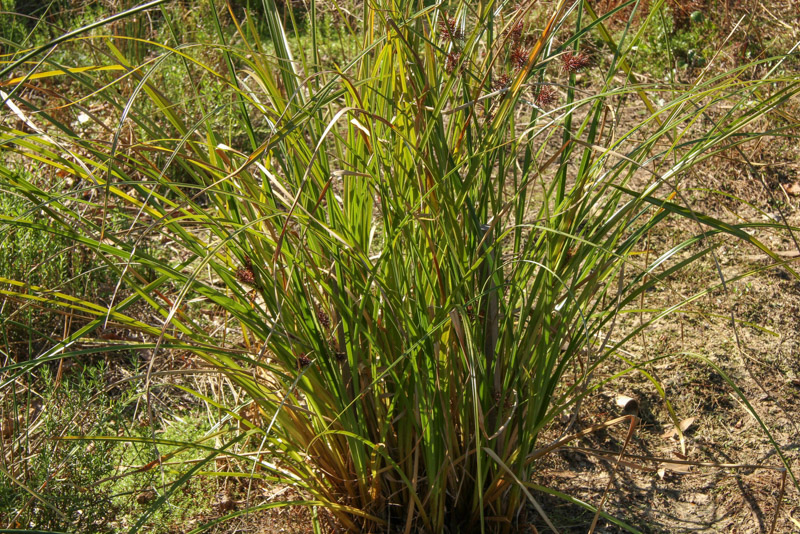
Leafy Flat-sedge
(Pictured above) This plant grows fast, so if you need something for quick coverage of your water gardens, then this is the one for you. It prefers full sun rather than indirect sunlight.
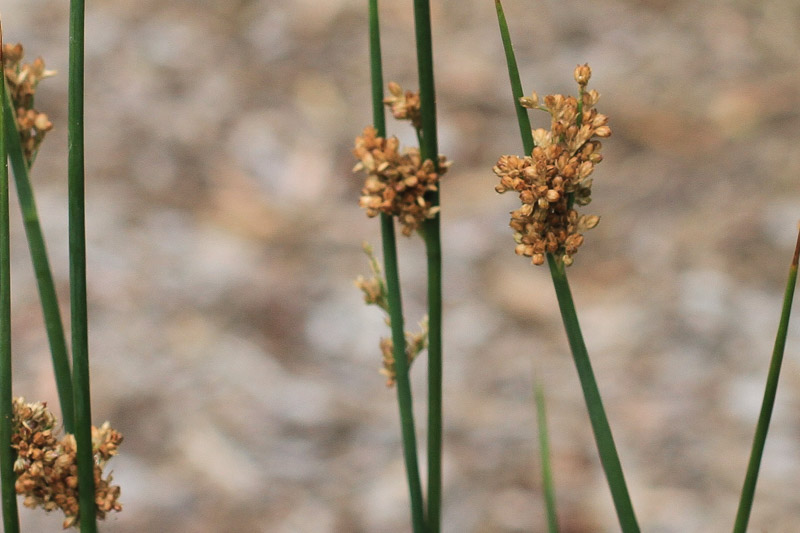
Hollow Rush
This is a plant that is very much at home in wet conditions. It’s ideal for slopes and can tolerate occasional inundation, though it is less comfortable in drought-like conditions.
Water’s Edge Plants to Avoid
These species, while often native and ecologically valuable in certain contexts, tend to be overly aggressive in artificial or small-scale dam environments. This can lead to maintenance issues, reduced biodiversity, or structural damage. As such, these are plants that we feel you should avoid for your areas.

Cumbungi
(Pictured above) This tall, reed-like plant can be a nightmare for ponds and dams. It’s extremely invasive and spreads rapidly via seeds and rhizones, with one flowerhead able to produce up to a million seeds.

Common Reed
(Pictured above) The common reed is a durable plant with a tough root system capable of penetrating dam walls over time, which can put the entire structure at risk. They also form monocultures which can quickly dominate a space.

Tall Spike Rush
(Pictured above) This is another dense plant that can overtake a water system if not maintained correctly. This plant is suitable in certain situations (e.g. if you require tall cover in places), but otherwise, we’d just stick to one of the previous marginal plants mentioned.
Tips for Long-Term Pond and Dam Planting
If you’re planning on building your own water system with a series of selected plants, you’re going to want to make sure you get in right first time. Nature will take control if you allow it to, so make sure you follow the below tips to help keep your ecosystem happy and healthy:
- Encourage plant diversity: This helps to bring balance to your system and reduces the chances of a single species taking over.
- Smart plant placement: Ensure the correct placement of your plants by matching plant moisture tolerance to a suitable bank zone.
- Routine maintenance: Even less aggressive plants will need pruning now and again, particularly during high-growth periods. Make sure you remove your aquatic weeds periodically. We’ll touch upon some of the tools we have to help you with this in the next section.
- Filter nutrient runoff: Establish vegetation upstream to take care of excess nutrients. These plants will consume them before they have a chance to escape into the water.
- Limit bird overpopulation: Birds are a great sight for your waterways, but they can be disruptive if there are too many of them. You can opt for something like our all-natural King’s Duck Solution to help repel unwanted visitors.
Tools to Keep Your Plants in Check
At Water Quality Solutions, we have a wide range of tools and expertise to help you keep on top of your marginal plants. Take a look below for just some of what we have available.
Aerator
We have a great selection of both surface and sub-surface aerators for you to choose from. This process will allow high levels of oxygen to infuse your water and encourage the growth of good bacteria, which will consume any excess nutrients. Without the excess nutrients, plants are not able to grow out of control.
Biostim
Here you’ll find our range of biological stimulants that have been specifically designed to introduce good bacteria to your water systems. Biostim will help to starve problematic weeds and plants of nutrients, keep your water clear, and break down sludge. It comes in pellet, tablet, powder, and liquid form.
Deskuzzer 2.0
This handy tool is perfect for clearing away floating weeds and debris to leave your water surfaces looking clean and tidy. All you need to do is drag it across the top of your space and remove the stem cuttings once you’re done.
Lake Bottom Blankets
Remove the availability of sunlight for those pesky weeds and bottom leaves with one of our lake bottom blankets. Simply drape it over the area you want to clear, wait a few weeks, and clear away any dead plant material that’s left.
Get FREE Expert Advice
If you’re looking for additional tips and expertise on anything related to your marginal plants, then you’re in the right place. Our team can advise you on choosing the correct plant species for your situation, as well as other tools and techniques for creating a healthy, stable water body.
Request a callback today and let’s see what we can do for you.