Read this article for a comparison deep dive. Here is a quick summary:
Durability
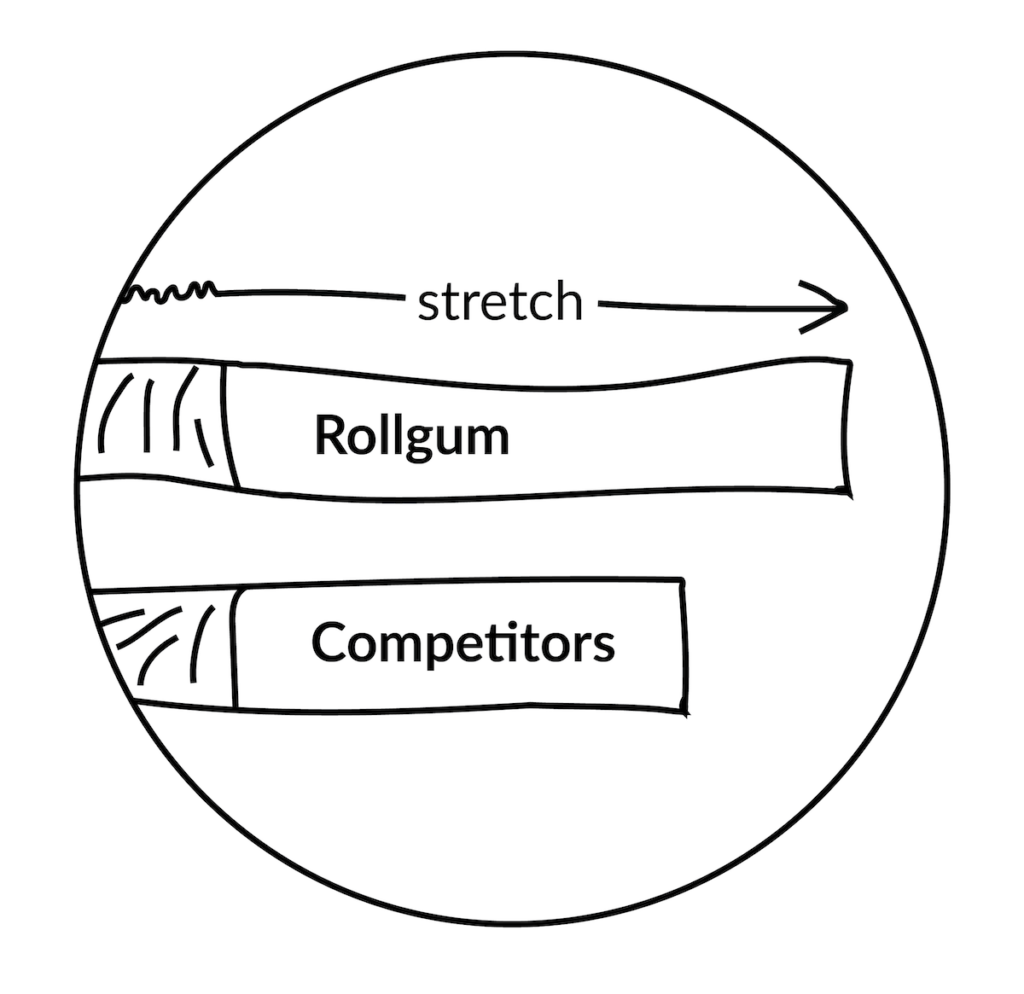
EPDM vs. HDPE: HDPE is known to crack when the temperature changes from summer to winter, especially when it’s very hot and then extremely cold. But EPDM stays flexible and tough year-round.
EPDM vs. PVC: PVC tends to get brittle over time with sun exposure, but EPDM stays flexible and strong for decades.
Flexibility and Ease of Installation
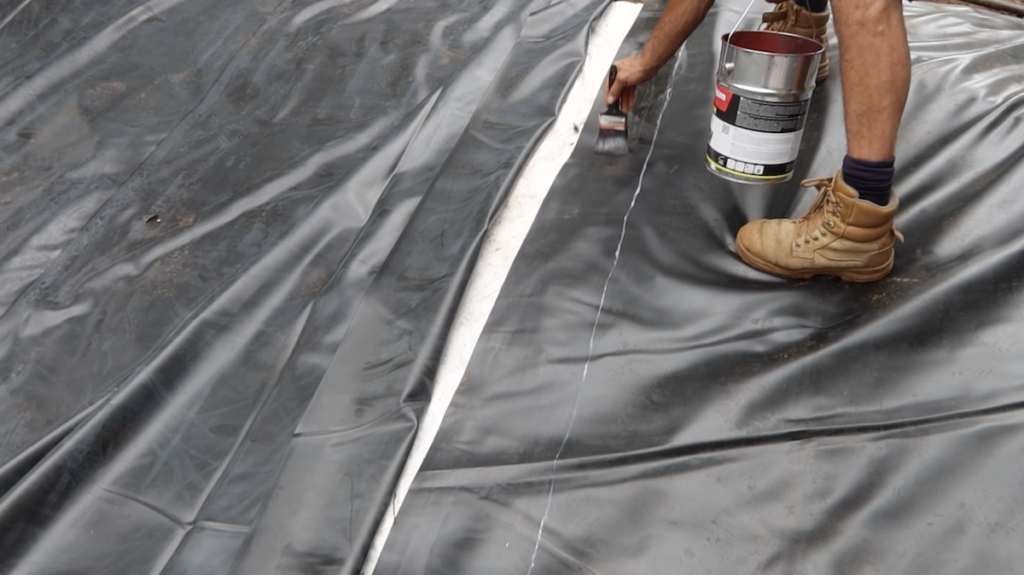
EPDM vs. HDPE: HDPE needs complex welding to join sheets, and this is a labour-intensive process that tends to fail over time. However, Rollgum liners rely on adhesive seams or mechanical fastening. This is a much quicker and more reliable solution.
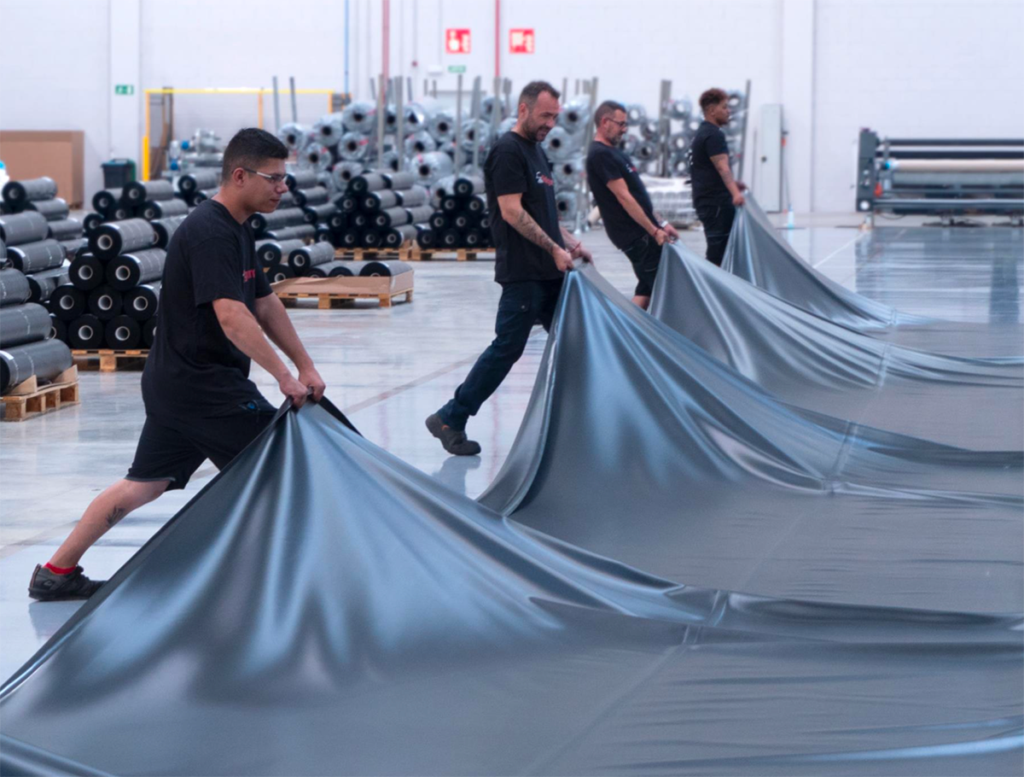
EPDM vs. PVC: During the installation process, PVC is stiff and not flexible, unlike EPDM that molds to any terrain without creasing or cracking.
Resistance to UV and Ozone Damage
EPDM vs. HDPE: Although HDPE provides some UV resistance, it can’t match the long-term durability of EPDM under direct sun exposure.
EPDM vs. PVC: PVC is very prone to UV damage and ozone exposure, while EPDM stays flexible, intact, and secure.
Environmentally Safe
EPDM vs. HDPE: While HDPE is recyclable, it needs more energy to manufacture and isn’t as stable in aquatic environments.
EPDM vs. PVC: PVC is known for being one of the more toxic plastics, especially when exposed to heat or disposed of incorrectly. EPDM completely avoids these risks.
Puncture Resistant
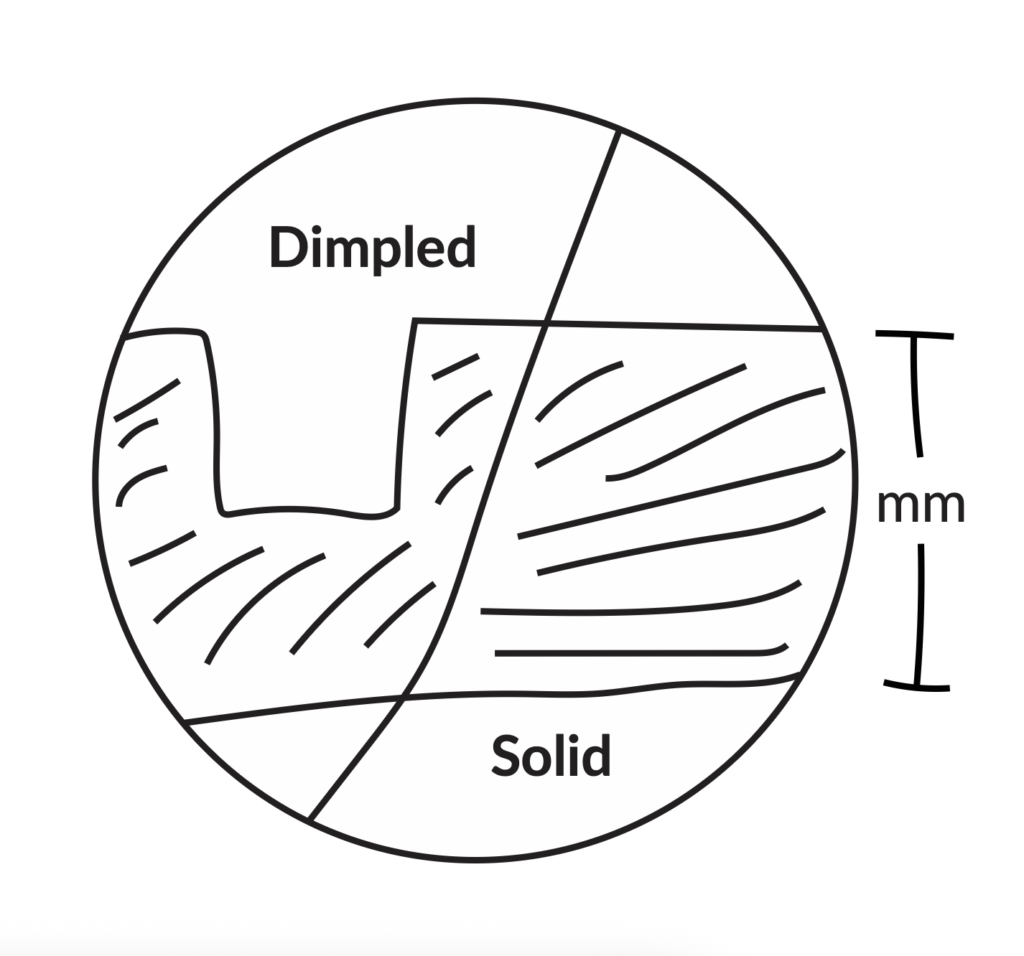
EPDM vs. HDPE: While HDPE may be strong, its rigidity makes it more susceptible to cracking on sharp or uneven surfaces, whereas EPDM offers greater flexibility.
EPDM vs. PVC: EPDM stays intact under pressure. But PVC’s brittleness makes it more vulnerable to tearing, particularly as it ages.