Floating Islands

$299 + Shipping

Floating Islands

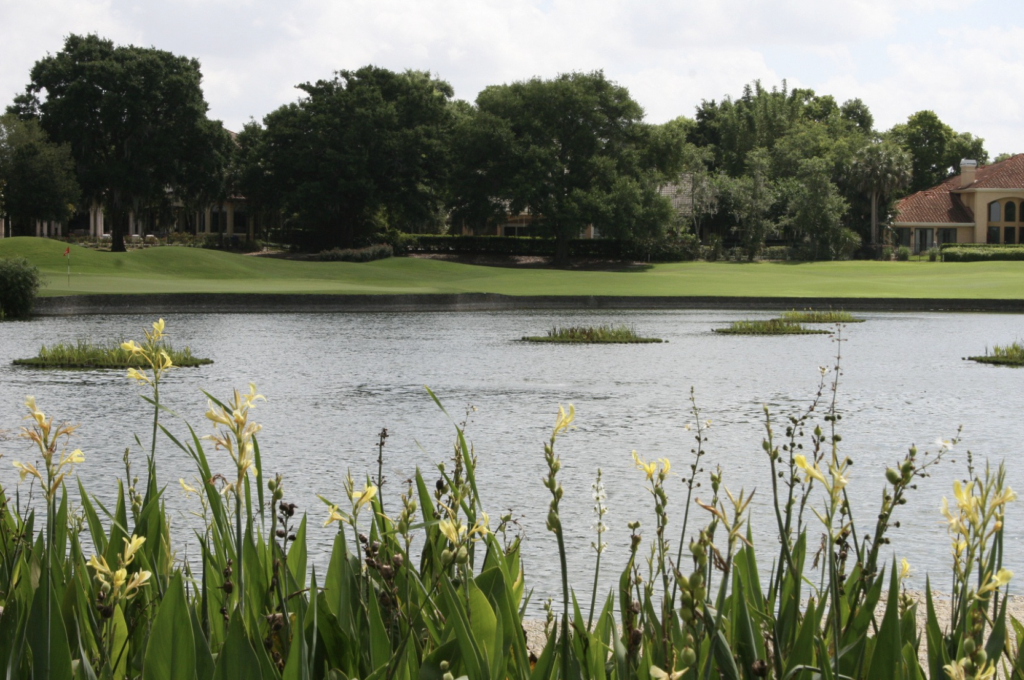
Add an aesthetic look to your dam and improve your water quality with a floating vegetated island

Floating Islands—For Aesthetics and Improved Water Quality

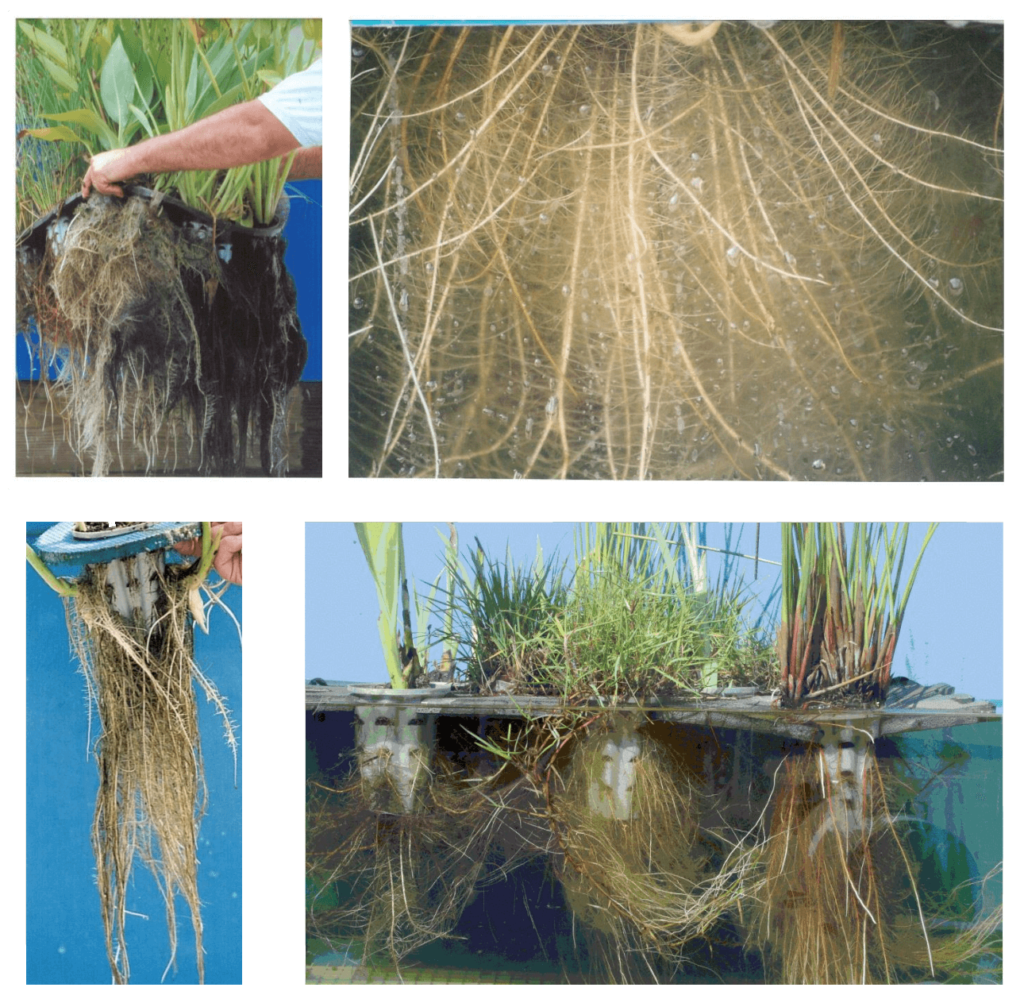
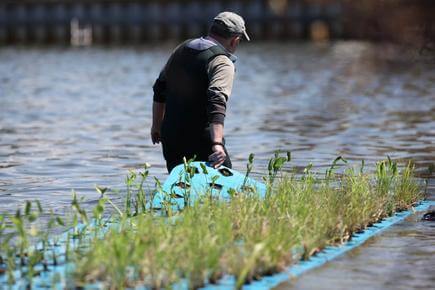
Our floating islands of vegetation help improve water quality in dams, lakes and ponds. The plant's underwater root mass extract nutrients (nitrogen and phosphorus) from the water. Fewer nutrients in your water = less algae and weeds. The islands also provide habitat for aquatic life, e.g. frogs, fish, dragonflies.

  • Reduces nutrients in water
  • Improves water quality
  • Less algae and weeds
PRODUCT materials

What are floating islands made of?

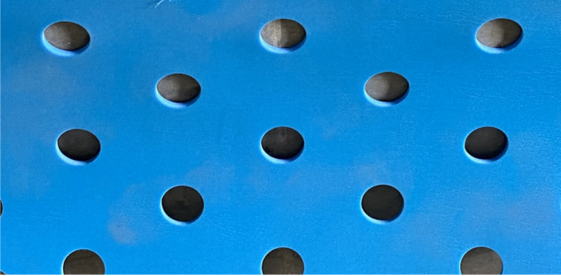
Our floating island mats are made of polyethylene foam—durable, rot-resistant and UV-stable. The islands are 1.5m x 1m in length and width, and 12.7 mm thick. Each mat comes with pre-cut planting holes at a density of approximately 26 plants per m², maximising vegetative coverage and nutrient uptake. The seamless construction provides outstanding lateral and tensile strength, while the ultra-lightweight structure delivers excellent buoyancy.

Step 1

Assemble your island

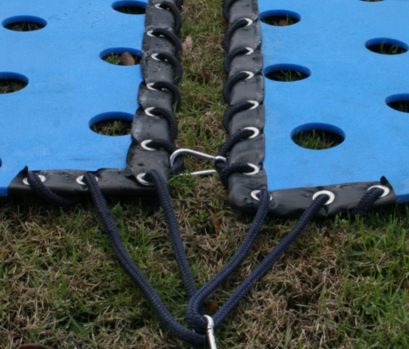
Build your island to any size and shape by connecting your mats.

You can use permalon plastic tabs with stainless steel grommets to connect the mats and anchor points. We use water-grade nylon rope to strengthen the corner connections and anchor points.

Step 2

Plant with vegetation

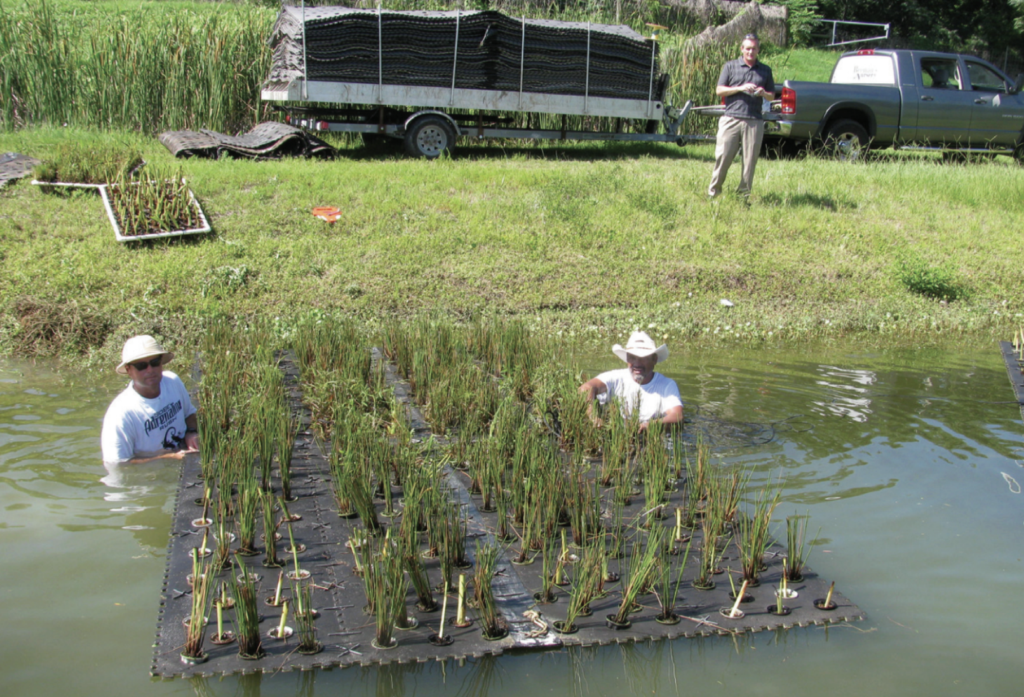
Plant your vegetation of choice in the pots provided. Each mat comes with 40 reusable pots; one for each hole. When planting we recommend choosing plants that are not too young, i.e. plants with healthy root system—at least 3 months old. Ideally choose native species that grow less than 1m tall.

Place the pots into the holes in the mats. Transport the island to the location you want it, and anchor it in place.

Pro Tip: Plant your pots and put them in a greenhouse, or somewhere on dry land, for 3-months before putting the posts in the islands. It may feel like a long wait but it prevents fresh soil, not packed in enough, leaking into your dam or lake.
Step 3

Harvest your plants

Harvest your plants annually, biannually, or quarterly, depending how fast they grow. Simply pull the pots and plants free from the reusable mats. Then pull the plants out of the reusable pots. This permanently removes the uptaken nutrients (aka fertiliser) from your water. 

You can compost the plants, gift them to friends, or replant them on the banks of the dam, out of the water. 

Step 4

Replant and repeat

Use the same pots to replant your island with young plants and repeat the process.

expert Advice

Need help? I'm Scotty Tucker and I offer FREE advice

I'm happy to provide you with FREE advice on floating islands, i.e. will they work for you, how to set them up etc. I can also answer any questions you have on improving water quality.

"Since WQS installed the aerator, we've not had a single algae problem. In our smaller ponds that are too small for aerators we used Biostim pellets on their own and have noticed a huge reduction in algae.”

Andy Hart

Horticultural Curator—Department of Environment, Water and Natural Resources, Adelaide

“We had a nutrient-rich stormwater lake that was having continuous problems with algae. We were previously treating the nutrients with a liquid solution that would just end up getting flushed away with the outgoing water. Scott recommended we switch to Biostim pellets which were exactly what we needed.”

Giles Pickard

Environment Project Officer, City of Subiaco

“Visiting ducks and our pet geese were continuously fouling the dam. WQS recommended a number of systems to improve the water quality. We are very happy with our final choice, the windmill aeration system. This combined with the Biostim pellets and liquid are cleaning up the dirty dam. Everything WQS said would happen has happened!”

Greg Lewis

Canterbury, Victoria

“We had an urgent problem—our old irrigation system had blockages from weeds. Our dam was also riddled with black sludge. Scott recommended both aeration and biologicals and within six weeks the dam became so clear I could see to the bottom of it for the first time in years! I was chuffed that we could fix the issue without the use of chemicals.”

Michael Grant

Owner, Grant’s Citrus Farm
SUPPORT

Get FREE advice on improving your dam, lake or lagoon